Basic Information
Chemical Name:Magnesium Chloride
Molecular Formula:Anhydrous ;Hexahydrate (the most common commercial form)
CAS Number:7786-30-3 (Anhydrous); 7791-18-6 (Hexahydrate)
Molecular Weight:95.21 (Anhydrous); 203.30 (Hexahydrate)
Common Aliases:Magnesium dichloride, Bitter salt (for hexahydrate, also known as "halogen flakes" in industrial scenarios)
Physical and Chemical Properties
Appearance and Form
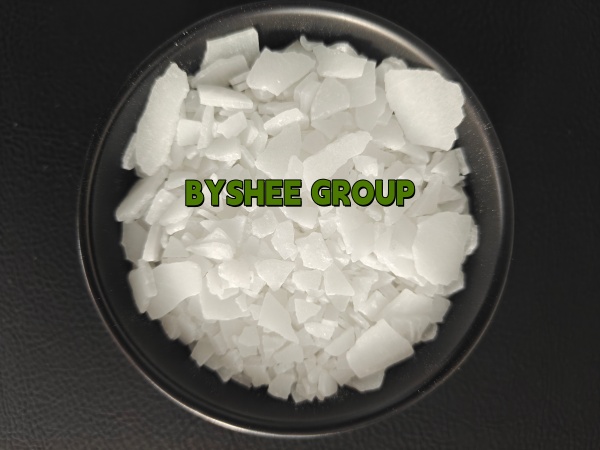
Anhydrous magnesium chloride is colorless to white flakes, granules or crystalline powder; hexahydrate magnesium chloride is mostly colorless transparent monoclinic crystals, highly hygroscopic, easy to absorb moisture and dissolve in air.
Solubility
Extremely soluble in water, soluble in ethanol, methanol, acetone and other organic solvents; aqueous solution is neutral (weakly acidic) and conductive.
Thermal Stability
Hexahydrate loses part of crystal water at 116-118℃, decomposes into magnesium oxide and hydrogen chloride above 700℃; anhydrous magnesium chloride has a melting point of 714℃ and boiling point of 1412℃, and its molten state is the core raw material for electrolytic preparation of metallic magnesium.
Other Characteristics
Slightly corrosive to metals and some plastics; low freezing point of aqueous solution, suitable for snow melting agent; reacts with alkalis to form magnesium hydroxide precipitate, reacts with carbonates to form magnesium carbonate precipitate.
Main Applications
1. Industrial Field
Metallic Magnesium Production:Electrolysis of molten anhydrous magnesium chloride is the core industrial process for producing metallic magnesium, the basic raw material for magnesium alloys and magnesium materials.
Snow Melting and Deicing:Magnesium chloride snow melting agent has low freezing point and fast snow melting speed, with lower corrosiveness to concrete and vegetation than sodium chloride, widely used for winter deicing of roads, airports and squares.
Building Materials:Mixed with magnesium oxide to prepare magnesium cementitious materials (magnesium oxychloride cement), used for making fireproof boards, ventilation ducts, lightweight partition boards, with the characteristics of light weight, high strength and fire resistance.
Chemical Raw Materials:Used to produce magnesium hydroxide, magnesium carbonate, magnesium oxide and other magnesium salts; also used as flocculant for sewage treatment and mordant for printing and dyeing industry.
2. Food Field
Food Additive:As a coagulant for soybean product processing (tofu, dried bean curd), replacing gypsum to make soybean products more tender; also used as a nutritional fortifier to supplement magnesium.
Stabilization and Preservation:Used as stabilizer and thickener in some foods; inhibits microbial growth in seafood preservation.
3. Agricultural Field (Key for Export Business)
Magnesium Fertilizer:Magnesium is the core component of plant chlorophyll. It can improve leaf yellowing caused by magnesium deficiency in crops, enhance photosynthesis, especially suitable for fruit trees, vegetables and cash crops; it can be used as base fertilizer, topdressing or foliar fertilizer.
Feed Additive:Supplements magnesium for livestock and poultry, prevents magnesium deficiency, maintains electrolyte balance and normal physiological functions of animals.
4. Pharmaceutical Field
Used to prepare antacids and laxatives to relieve hyperchlorhydria and constipation;
As an electrolyte supplement for the treatment of magnesium deficiency.
Production Methods
Extraction from Seawater/Salt Lake Brine:Obtain hexahydrate magnesium chloride through evaporation, concentration, crystallization and purification from seawater or salt lake brine, the mainstream production method with low cost and sufficient raw materials.
Preparation from Magnesite/Dolomite:Magnesite (magnesium carbonate) or dolomite (calcium magnesium carbonate) reacts with hydrochloric acid to form magnesium chloride solution, which is evaporated and crystallized to obtain the product.
By-product Recovery:Recover and purify magnesium chloride from by-products of some chemical productions (such as metallic magnesium smelting, soda ash production).
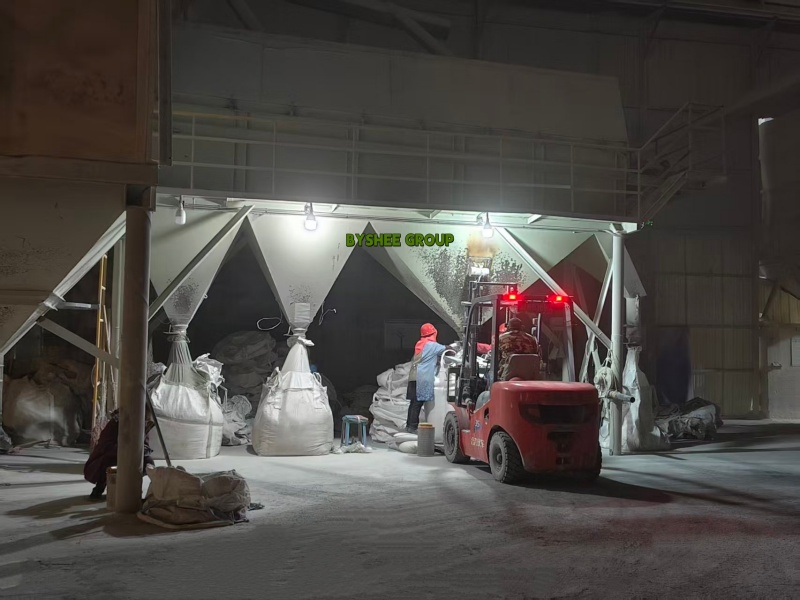
Package: 1)Bulk
2)25kg/pp bag
3)50kg/pp bag
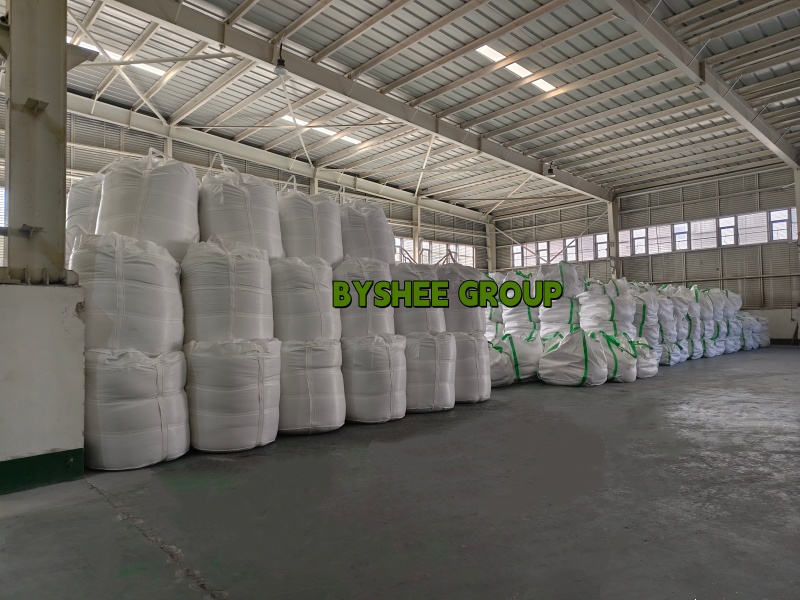
4)jumbo bag
5)25kg/bag plus jumbo bag
remark:(with or without pallets)
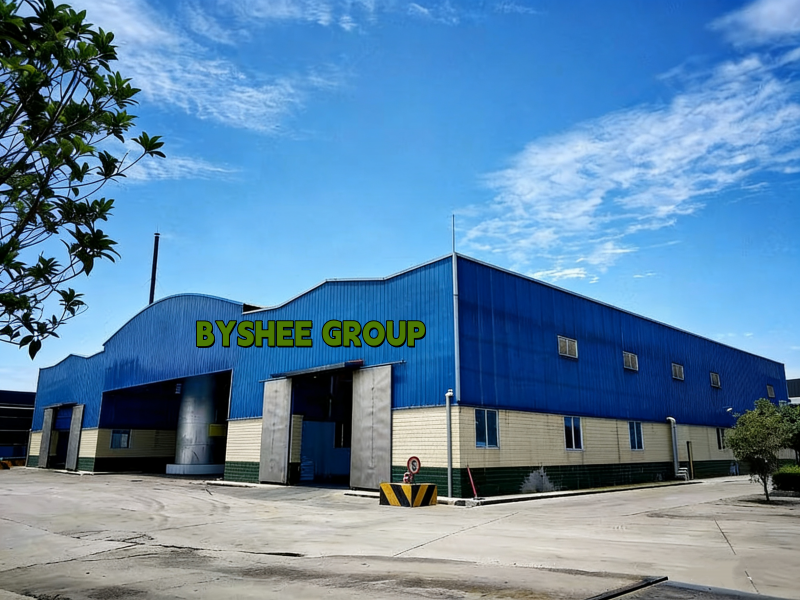
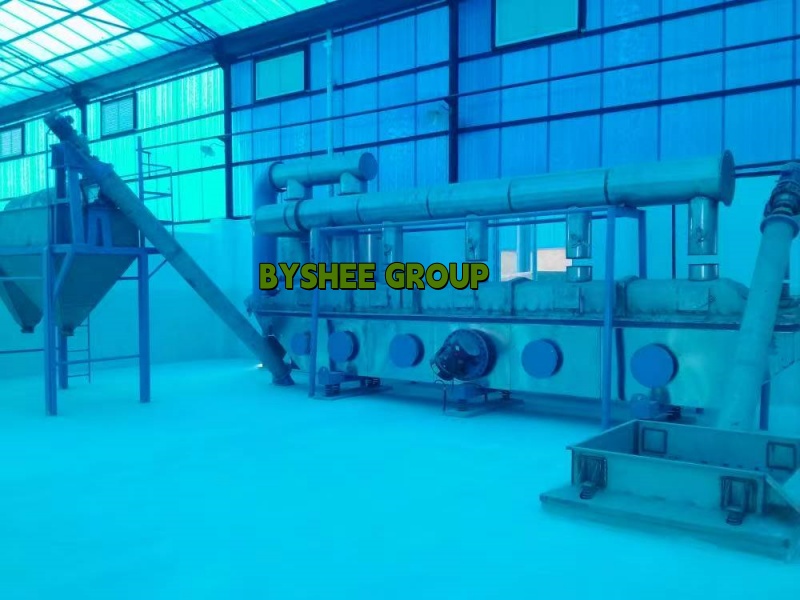
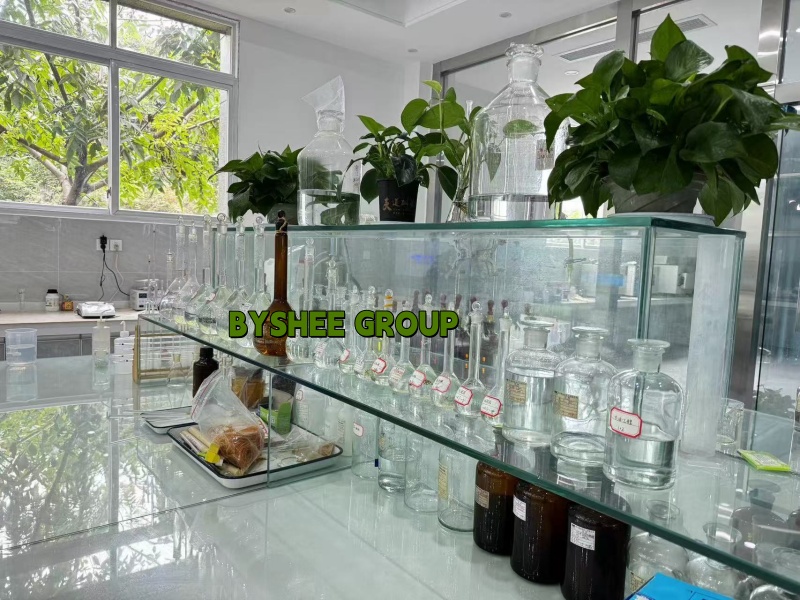
Factory